


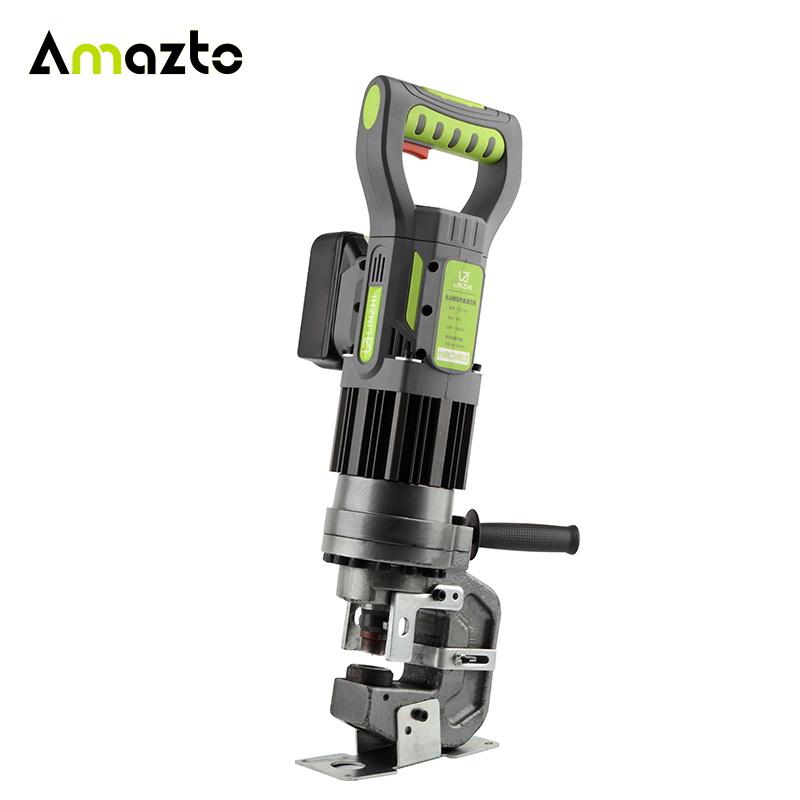
In industrial settings, a punching machine fulfills a wide range of material processing tasks that go beyond creating simple holes. It is used for forming operations, such as creating louvers, embossments, or tapped holes, and for nibbling, where a series of overlapping punches cut out large or complex contours. This makes the punching machine a versatile alternative to laser or plasma cutting for many medium-to-high-volume sheet metal parts, especially when combined forming and cutting are required in a single setup.
The efficiency of a punching machine is particularly evident in the production of electrical cabinets, HVAC components, and automotive parts. Its ability to quickly punch standard holes for fasteners, ventilation, and wire pass-throughs, while also adding formed features, consolidates multiple manufacturing steps. For prototyping and short runs, CNC punching machines offer quick turnaround, as changing a digital program is faster than fabricating hard tooling for a dedicated press.
Selecting and operating a punching machine involves balancing several factors. Required tonnage depends on material strength and thickness, while the machine's throat depth determines the maximum workpiece size. Tooling costs and availability are practical considerations for different hole shapes. The ongoing development of the punching machine focuses on increasing speed, flexibility, and integration with digital factory systems, ensuring its continued relevance as a key technology for efficient and adaptable metal fabrication.

 English
 Arabic
 French
 Spanish
 Portuguese
 Deutsch
 Turkish
 Dutch
Dutch
 Russian
 Romaian
 Portuguese (Brazil)
 Tiếng Việt